Terracotta vs plastic pots
How each pot material behaves, which plants suit it, and the one thing that matters more than material.
Quick answer
Neither is better for every plant. Terracotta dries out faster, so it suits plants that like to dry between waterings, such as succulents; plastic holds water longer, so it suits plants that like to stay moist. Whatever the material, the pot needs a drainage hole.
Do terracotta pots dry out faster than plastic?
Yes. Unglazed terracotta is porous and loses water through its sides, so the potting mix dries faster than in plastic or glazed pots.
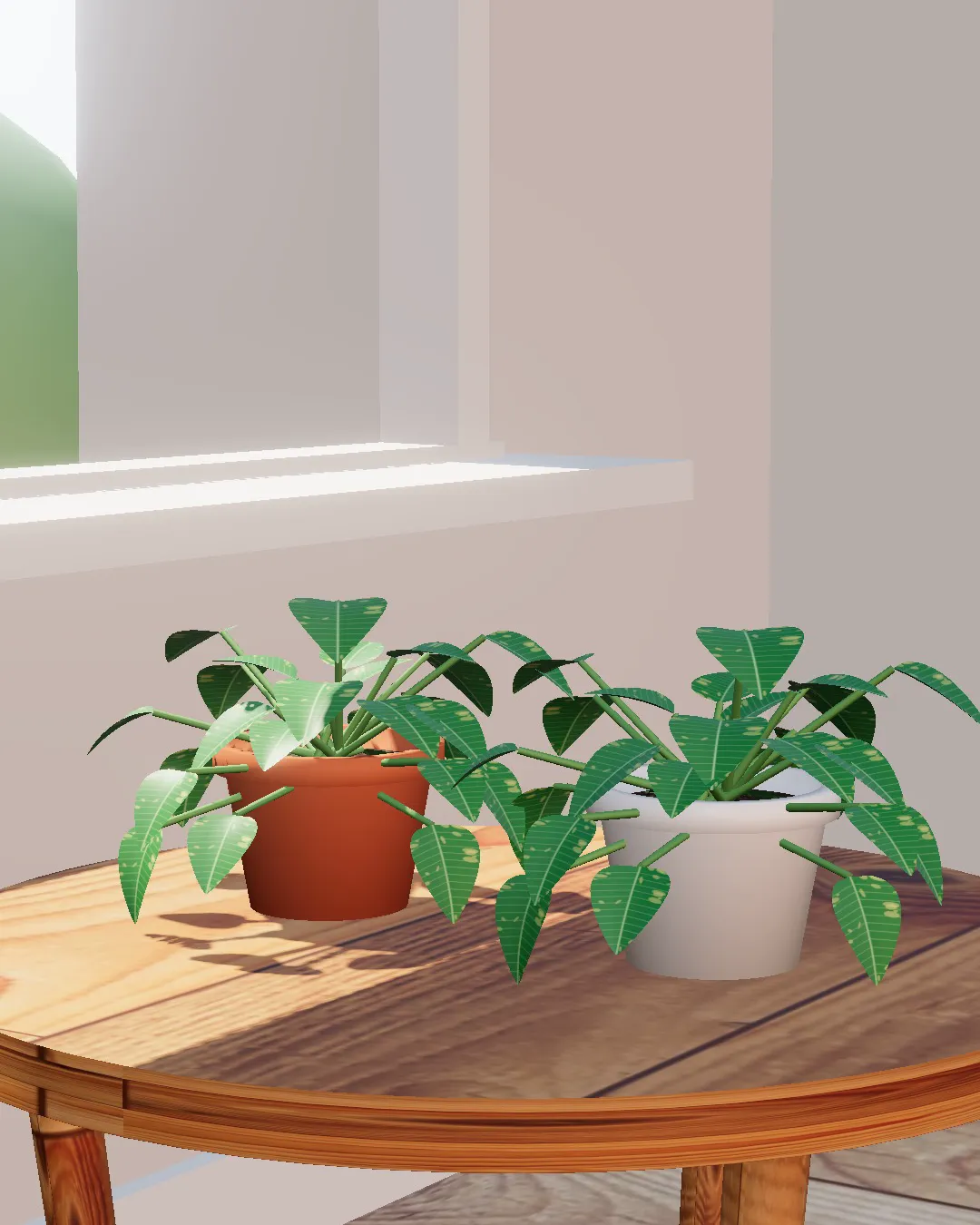
Water evaporates quickly from the sides of a porous clay pot, so it needs watering more often than a nonporous glazed or plastic pot.[1] The clay also tends to pull water and soluble salts out of the potting mix.[2] Plastic and glazed pots let no water out through their sides, so plants in them need water less often.[3][4]
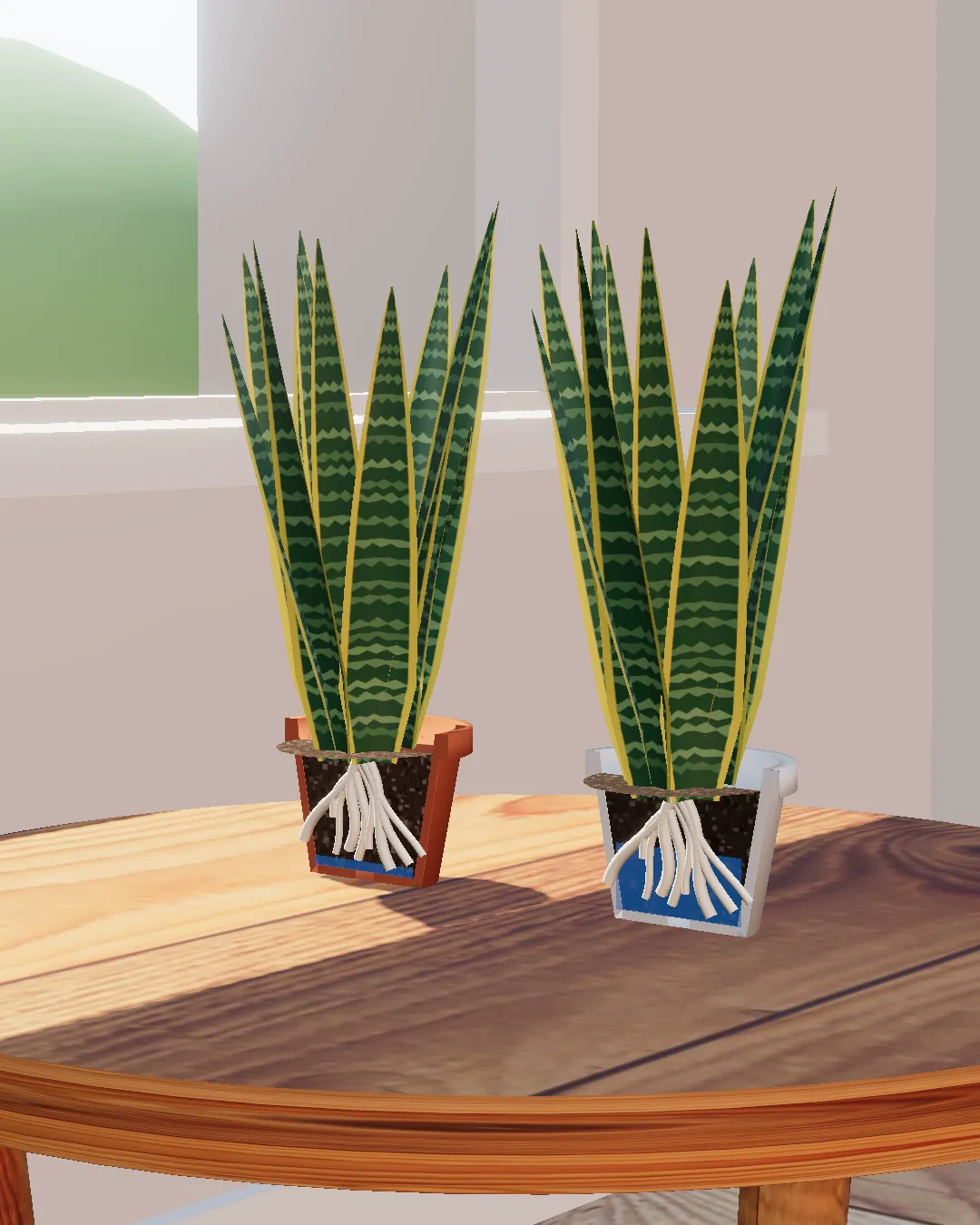
How much faster depends on the plant, the spot and the season. As an example from our own rule in the Watering Helper: a pothos in a medium pot in bright indirect light in summer gets a suggested soil check every 9 days in plastic and every 7 days in terracotta. Those numbers are our starting suggestion, not a measurement; the soil always has the final say.
How do terracotta, plastic and glazed pots compare?
Terracotta dries fast and breathes but breaks easily; plastic is light, cheap and holds water longer; glazed ceramic holds water but often lacks holes.
| Property | Terracotta (unglazed clay) | Plastic | Glazed ceramic |
|---|---|---|---|
| Drying | Fast: loses water through its sides[1][4] | Slow: holds moisture longer[4][2] | Slow: the glaze holds moisture in[4][1] |
| Air to the roots | Excellent aeration[4] | Less: air moves only through the top and the holes[3] | Like plastic[3] |
| Salt buildup | Pulls salts from the mix, often as a white crust[2] | Collects fewer salts[4] | No source compares it |
| Drainage holes | Check before you plant | Occasionally missing[4] | Often too few or none[4] |
| Weight | Heavier than plastic[2] | Light and easy to move[4][2] | No source compares it |
| Breakage | Breaks easily; stiff, so plants are harder to remove[4][2] | Durable; can fade in sun and turn brittle in cold outdoors[2][4] | Chips and breaks easily[4][2] |
| Cost and cleaning | No source compares it | Relatively cheap, easy to clean and reuse[4][2] | No source compares it |
| Best for | Succulents and plants that like to dry out[2] | Plants that like to stay moist[2] | Decorative outer pot, or plants that like moisture if it has a hole |
"No source compares it" means none of the extension sources we use makes that comparison, so we leave it blank rather than guess. The air row for plastic and glazed pots follows from Clemson's note that clay lets air move through its sides.
Which plants do best in terracotta?
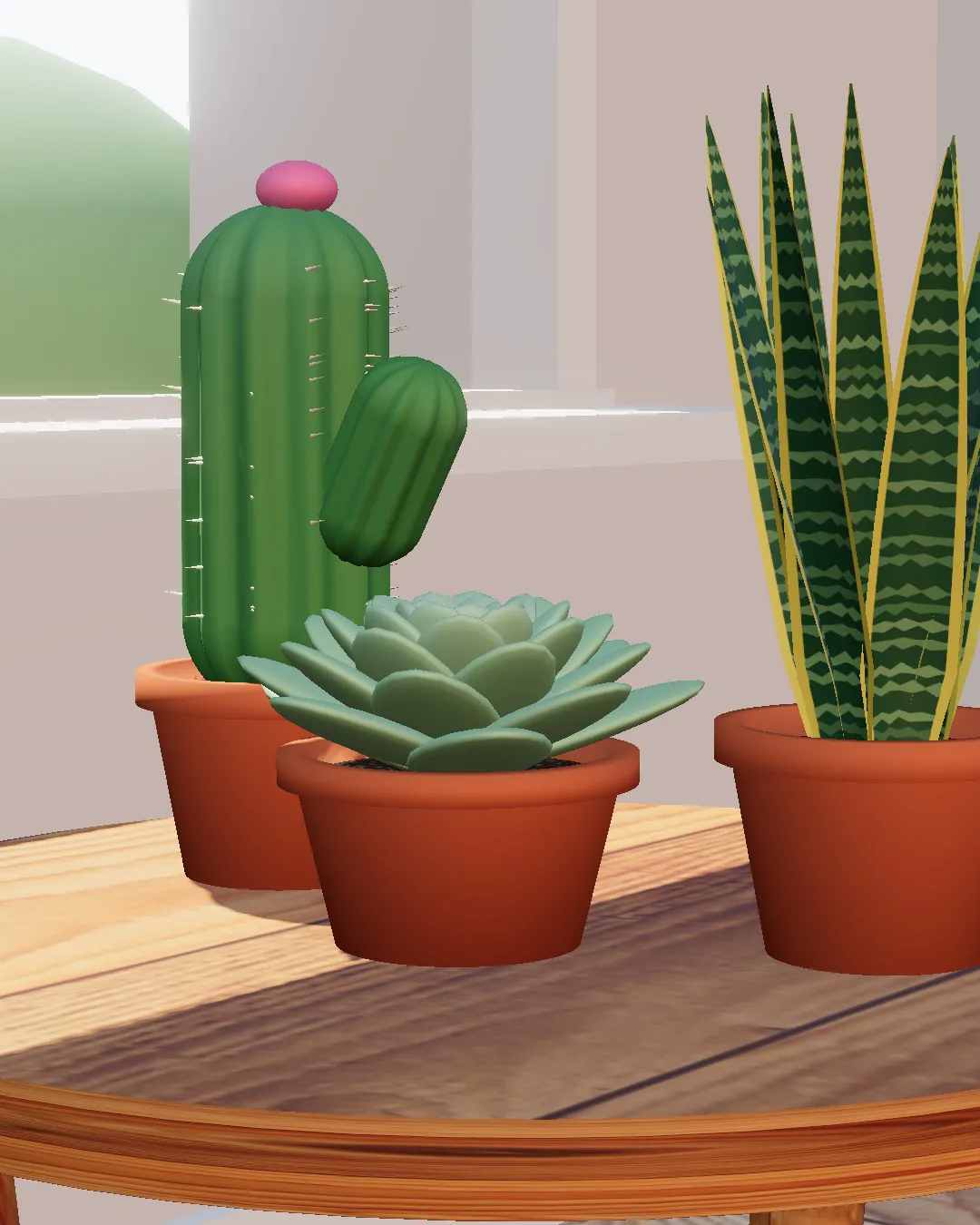
Plants that like to dry out between waterings, such as succulents, cacti, snake plant and ZZ plant, suit terracotta because it dries faster.
Penn State Extension calls terracotta ideal for succulents.[2] The same reasoning fits other plants whose watering rule is to let the soil dry well: from our plant list, aloe vera, jade plant, echeveria, pothos, zz plant, snake plant and monstera (swiss cheese plant).[5][1][6][7][8][9][10] Terracotta also helps if you tend to water too often, because the mix dries sooner.
Which plants do best in plastic?
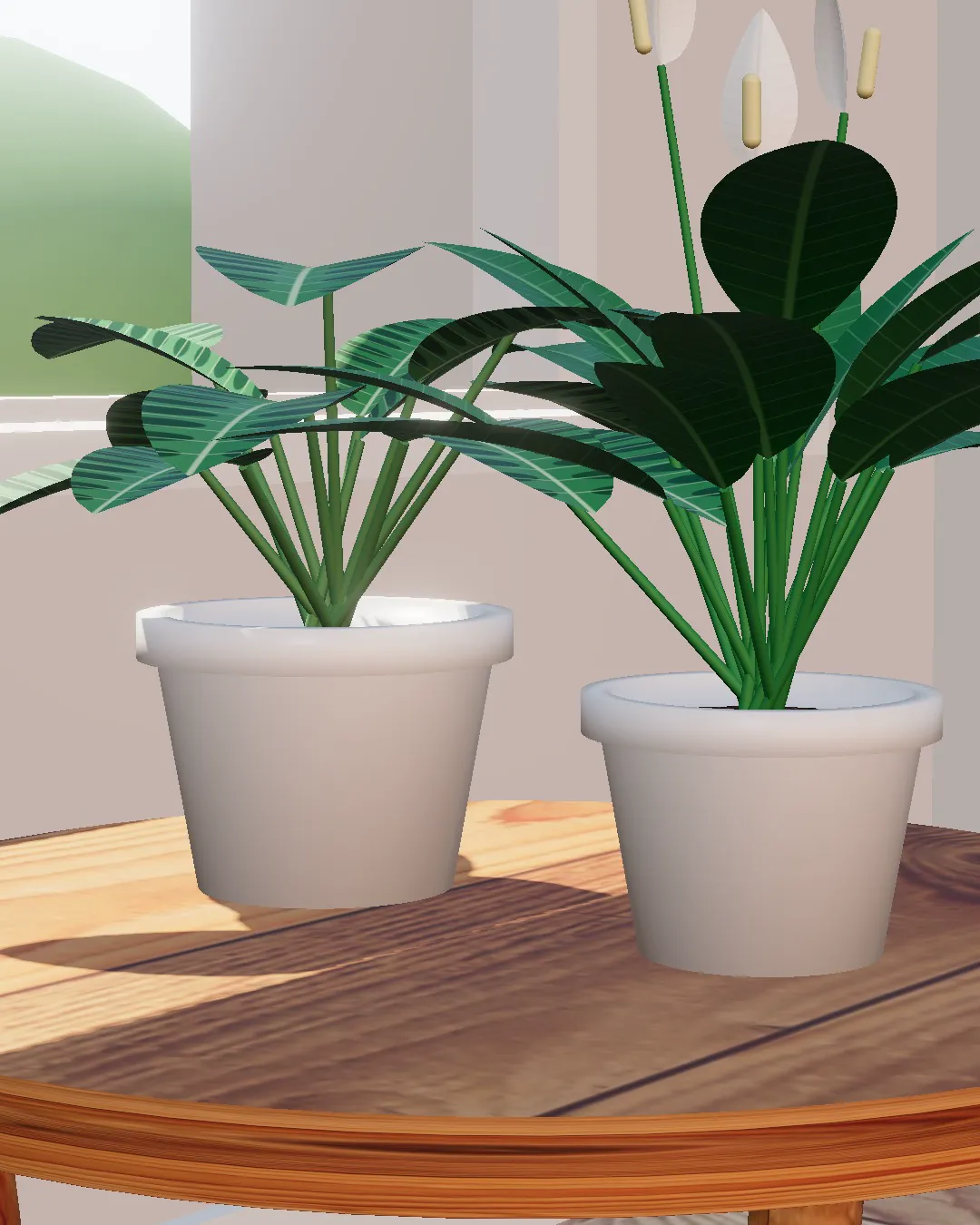
Plants that like to stay moist, such as peace lily, calathea, Boston fern and Chinese evergreen, suit plastic because it holds water longer.
Penn State Extension calls plastic ideal for plants that like to remain moist.[2] From our plant list, that means peace lily, heartleaf philodendron, calathea, chinese evergreen and boston fern.[1] A glazed pot with a drainage hole works much the same way.[4]
Why does drainage matter more than material?
Any pot without a drainage hole keeps the mix waterlogged and can rot the roots, whatever it is made of. Check for a hole first.
All containers must have a drainage hole: without one, the soil stays wet and roots rot and die.[11] A container with holes lets extra water drain, so the potting mix does not become waterlogged.[2] Plastic pots occasionally lack holes, and glazed ceramic pots commonly lack enough of them.[4]
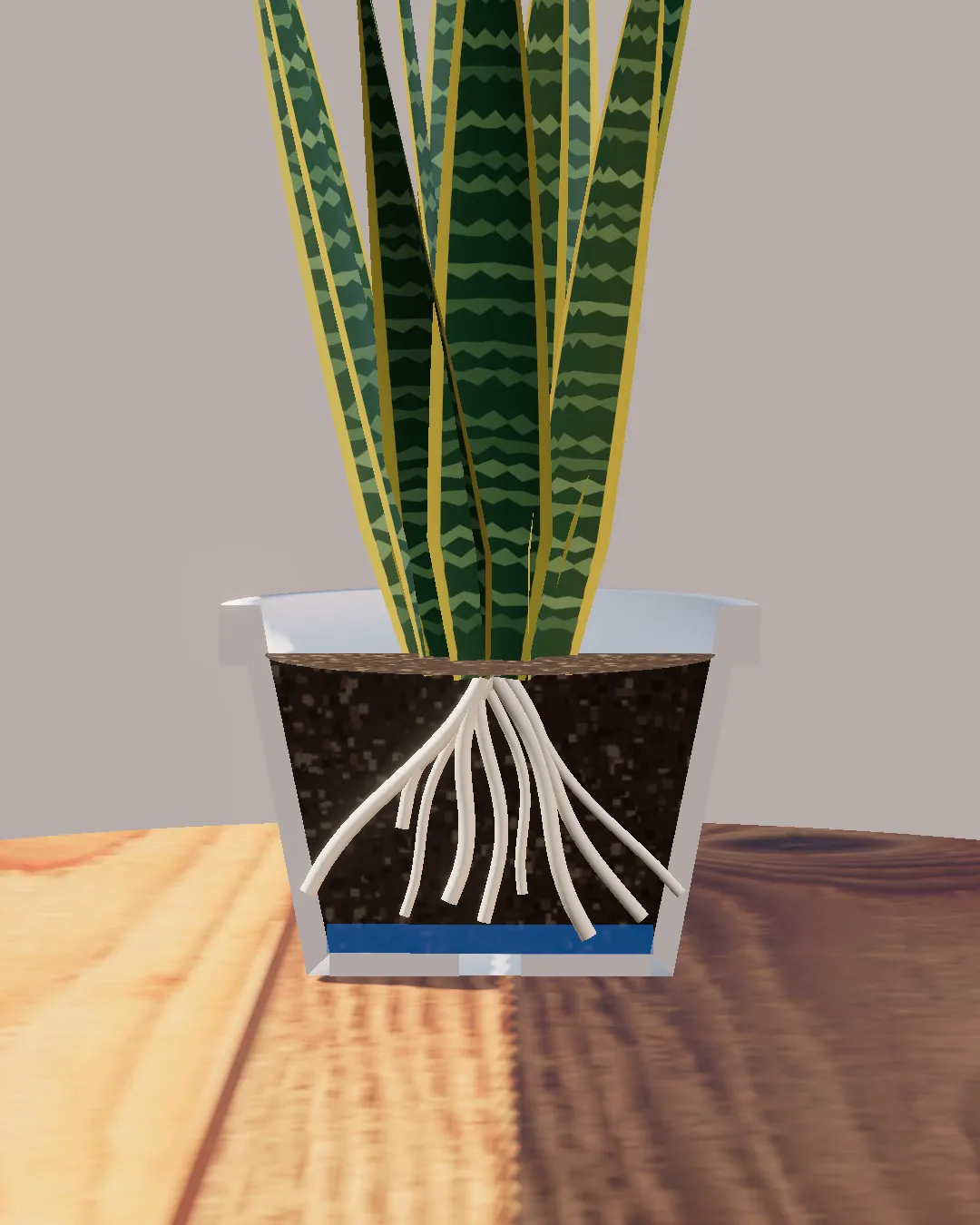
- Turn it over. Is there at least one hole in the bottom?
- No hole? Drill one, if the material allows it.[2]
- Or use it as an outer pot: keep the plant in a nursery pot with holes inside, with space underneath for water.[2][4]
- After watering, tip out any water that collects in the outer pot or saucer.[2][1]
Should I move my plant to a different pot?
Only if it is not working. If the soil stays wet too long, clay helps; if you water constantly, plastic helps. Repot only slightly larger.
When you repot, choose a new container only slightly larger than the current one, and water it in well.[2] If a clay pot has a white crust, scrub it, flush the potting mix with clear water, and check that you are not feeding too often; see white crust on soil or pot.[12][13]
Whatever pot you choose, the Watering Helper builds a soil-check routine from your plant, pot material, pot size, light and season.
Print the one-page houseplant care cheat sheet
Common questions
Is terracotta better than plastic for houseplants?
Neither is better for every plant. Terracotta suits plants that like to dry out, such as succulents, and people who tend to overwater. Plastic suits plants that like to stay moist, and is lighter and cheaper.
Do plants in terracotta need watering more often?
Yes. Clay is porous and pulls water from the potting mix, so plants in clay pots need watering more often than plants in plastic pots. Check the soil rather than watering on a schedule.
Are glazed ceramic pots like terracotta?
No. The glaze seals the clay, so glazed pots hold moisture longer, more like plastic. Glazed pots also often lack enough drainage holes, so check before you plant.
Can I keep a plastic nursery pot inside a decorative pot?
Yes, as long as the nursery pot has drainage holes. Leave a little space under it for water to drain, and tip out any water that collects in the outer pot after watering.
Why is there a white crust on my terracotta pot?
Clay pulls soluble salts from the potting mix, and they show as a white crust. Scrub the pot, flush the potting mix with plenty of clear water, and check that you are not overfeeding.
Sources
Each numbered link in the text points to one of these pages, each opened and read on the date shown. How we check facts.
- Indoor Plants: WateringClemson Cooperative Extension, Home & Garden Information Center. Checked .
- Repotting HouseplantsPenn State Extension. Checked .
- Indoor Plants: Cleaning, Fertilizing, Containers and Light RequirementsClemson Cooperative Extension, Home & Garden Information Center. Checked .
- Potting and Repotting Indoor PlantsUniversity of Maryland Extension. Checked .
- Growing Succulents IndoorsIowa State University Extension and Outreach. Checked .
- Watering Indoor PlantsUniversity of Maryland Extension. Checked .
- How to Grow Pothos Indoors (Epipremnum spp.): Care, Cultivars, and Common ProblemsClemson Cooperative Extension, Home & Garden Information Center. Checked .
- ZZ Plant (Zamioculcas zamiifolia): Indoor Care, Growing Tips & Plant GuideClemson Cooperative Extension, Home & Garden Information Center. Checked .
- Easy Low-Maintenance HouseplantsIowa State University Extension and Outreach. Checked .
- How to grow Swiss cheese plantsRoyal Horticultural Society. Checked .
- How to Care for HouseplantsIowa State University Extension and Outreach. Checked .
- Mineral and Fertilizer Salt Deposits on Indoor PlantsUniversity of Maryland Extension. Checked .
- Troubleshooting HouseplantsUniversity of Illinois Extension. Checked .