How to get rid of fungus gnats
What the tiny flies around your plants are, why the larvae in the soil matter, and the steps that get rid of them.
Quick answer
Let the potting mix dry out as much as the plant can take between waterings, empty saucers, and catch the adults on yellow sticky traps. For heavy infestations, water in a product with Bacillus thuringiensis israelensis (Bti) to kill the larvae. Keep it up for at least a month, because one generation takes about four weeks.
What are fungus gnats?
Fungus gnats are small, dark, mosquito-like flies about 1/10 to 1/8 inch long that breed in moist potting mix. They are harmless to people.
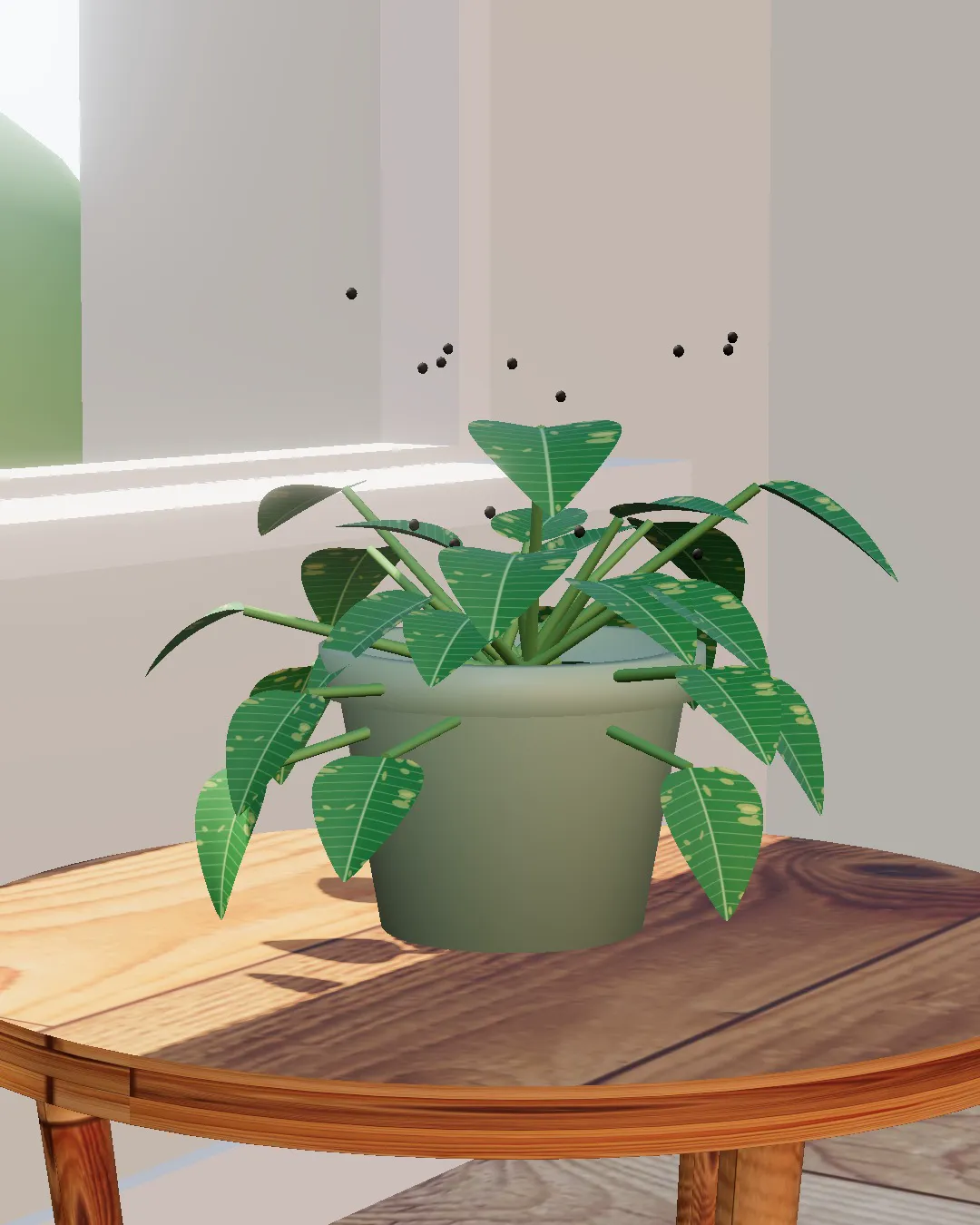
Adults are gray to black and slender, with long legs and one pair of clear wings. They are weak fliers and are often seen running or resting on the potting mix and leaves, or near windows and lights. They can leave tiny black specks on light surfaces.[1] They are especially common in newly bought or repotted plants.[1]
Fungus gnats are dark and stay around the soil. Whiteflies are white and fly up from under the leaves when you move the plant, and they need different steps.[1] Not sure? The Plant Problem Finder asks two questions to tell them apart.
Why do the larvae matter?
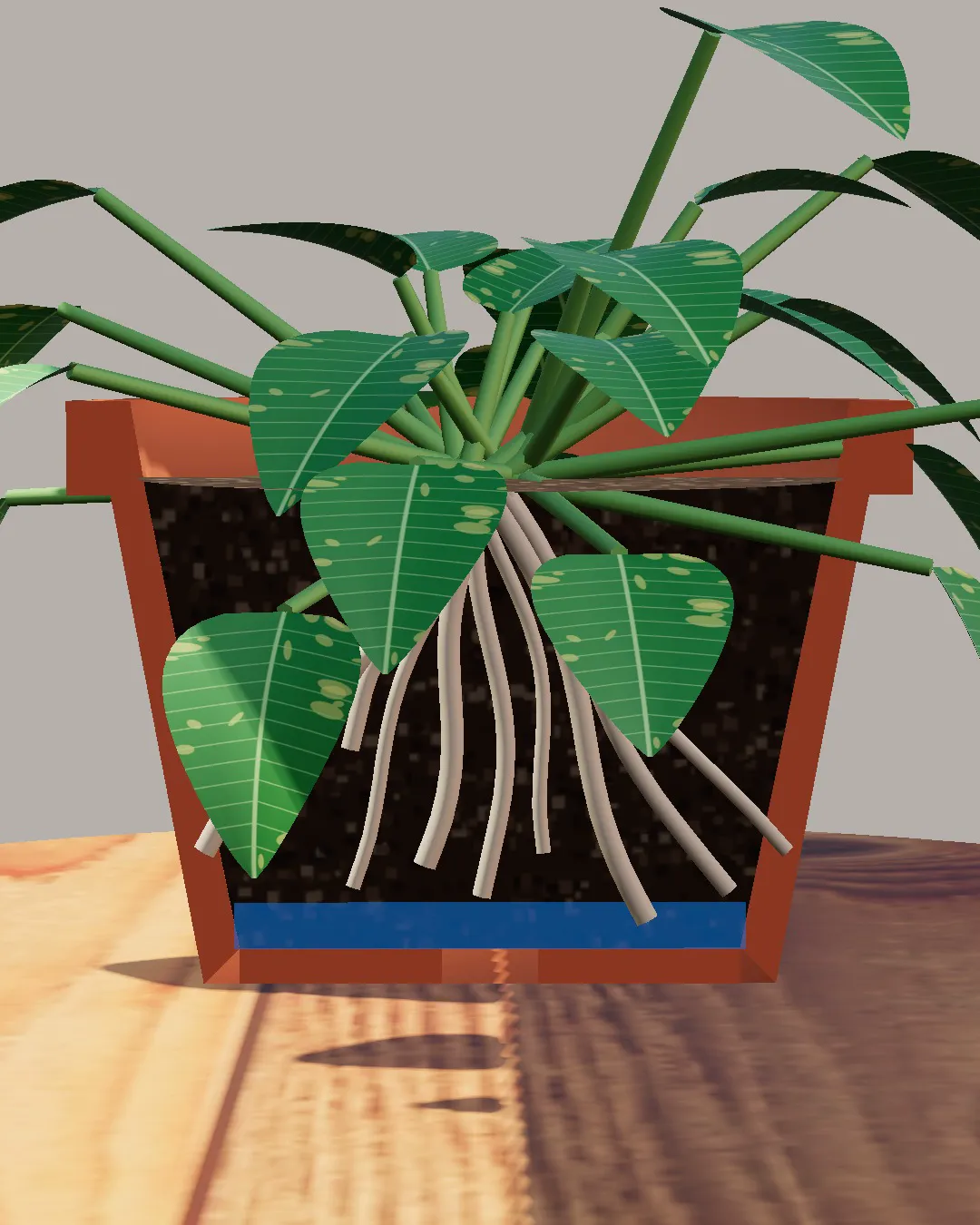
The larvae live in moist potting mix and feed on fungi, organic matter and roots. Large numbers can stunt or wilt plants.
The larvae are legless and whitish to clear, with a shiny black head.[1] They feed mainly on fungi and organic matter in the soil, and also on root hairs and roots.[2][1] When there are many of them, plants can show sudden wilting, loss of vigor, poor growth, yellowing and early leaf drop.[1][2] Larvae and adults can also spread plant diseases.[1]
Overwatering and poor drainage help fungus gnats multiply, because the females lay their eggs in moist potting mix.[1]
How do I get rid of fungus gnats?
Let the soil dry between waterings, empty saucers, catch adults on yellow sticky traps, and treat larvae with a Bti product if needed.
- Move the plant away from your others. Separate any plant with pests so the problem does not spread.[1]
- Let the soil dry. Let the potting mix dry out as much as the plant can take between waterings. This is the main fix.[1][3][2] The Watering Helper shows how dry your plant can go.
- Get rid of standing water. Empty saucers and outer pots after watering.[1][2][4]
- Clean up. Remove dead leaves and plant debris from the pot and around it.[1]
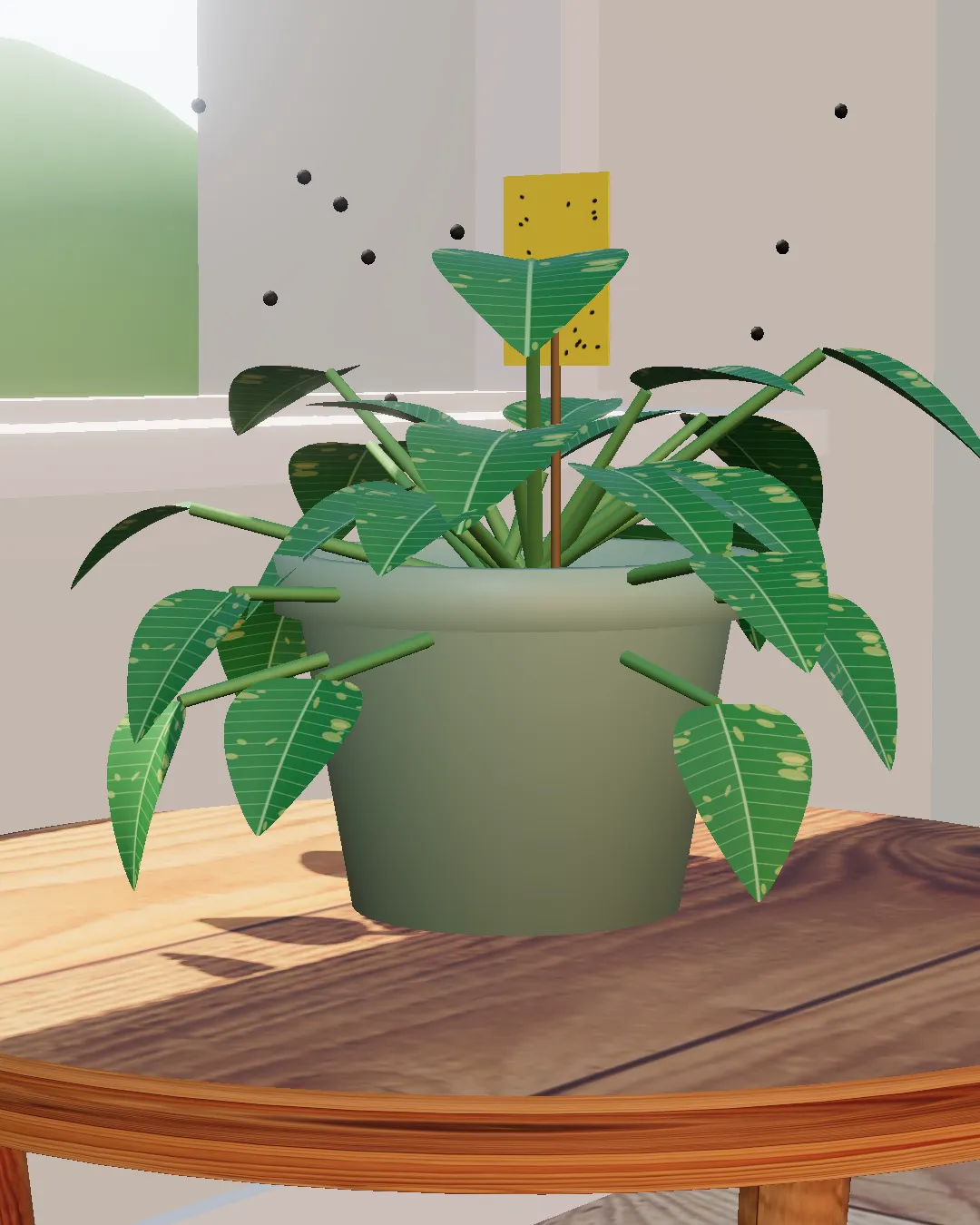
- Trap the adults. Yellow sticky traps in and around the pots catch adult gnats and can reduce their numbers.[1]
- Treat the larvae if numbers stay high. Water in a product containing Bacillus thuringiensis subspecies israelensis (Bti), sold under names such as Gnatrol, and repeat as the label directs.[1][2]
Hydrogen peroxide drenches, cinnamon, vinegar traps and sand on top of the soil are popular online, but none of the extension sources we use recommends them, so we do not. Other insecticides are rarely warranted for fungus gnats in homes.[1]
How long does it take to get rid of fungus gnats?
Plan on at least a month. One generation takes about four weeks, so keep the soil drier and traps up for a full cycle.
| Stage | How long | What acts on it |
|---|---|---|
| Eggs in moist potting mix | Hatch in 4 to 6 days[2] | Drier soil: females lay eggs in moist mix |
| Larvae feeding in the soil | 12 to 14 days[2] | Drier soil, Bti |
| Pupae | About 5 to 6 days[2] | Nothing specific in our sources; wait it out |
| Adults flying | Live about 7 to 10 days[2][1] | Sticky traps |
The whole cycle takes about four weeks, depending on temperature, and indoors they can breed all year.[2][1] Our advice follows from that: adults you trap today were already in the soil as larvae, so expect to keep seeing some for a few weeks. Keep the soil drier and the traps in place for at least a month, and judge success by whether new adults stop appearing.
How do I keep fungus gnats from coming back?
Water only when the soil is dry, never leave pots standing in water, check new plants before bringing them home, and use fresh sterile mix.
- Check plants carefully for insects before you buy them, and again before bringing plants back inside after summer outdoors.[1]
- Use sterile potting mix whenever you repot.[1]
- Use screens on windows and doors so adults cannot fly in from outside.[1]
- Water only when the soil is dry, and empty saucers every time.[1][5] Overwatering is most common in winter, when growth slows.[6]
Print the one-page houseplant care cheat sheet
Common questions
Are fungus gnats harmful to people?
No. Fungus gnats are harmless to people. They are a nuisance flying around people, food and lights, and large numbers of their larvae can damage plant roots.
Do yellow sticky traps get rid of fungus gnats?
Not on their own. Sticky traps catch adults and can reduce their numbers, but the larvae stay in the soil. Letting the soil dry between waterings, and a Bti product for heavy infestations, deal with the larvae.
Does hydrogen peroxide or cinnamon kill fungus gnats?
None of the extension sources we use recommends hydrogen peroxide, cinnamon or vinegar traps for fungus gnats, so we do not either. Drier soil, sticky traps and Bti are what they recommend.
Why do I have fungus gnats in winter?
Indoors they can breed all year. Winter is also when overwatering is most common, because plants use less water while growth slows, so the potting mix stays moist for longer.
Where do fungus gnats come from?
They often arrive with newly bought or repotted plants, with plants that spent time outdoors, or through open windows and doors. Check new plants before you buy them and use screens on windows.
Sources
Each numbered link in the text points to one of these pages, each opened and read on the date shown. How we check facts.
- Pest Notes: Houseplant Problems (Publication 74172)University of California Statewide IPM Program. Checked .
- Fungus Gnats in HouseplantsNC State Extension. Checked .
- Troubleshooting HouseplantsUniversity of Illinois Extension. Checked .
- Overwatered Indoor PlantsUniversity of Maryland Extension. Checked .
- Indoor Plants: WateringClemson Cooperative Extension, Home & Garden Information Center. Checked .
- How to help a poorly houseplantRoyal Horticultural Society. Checked .