Heartleaf philodendron care
A trailing or climbing vine with heart-shaped leaves that copes with dim rooms and dry indoor air.
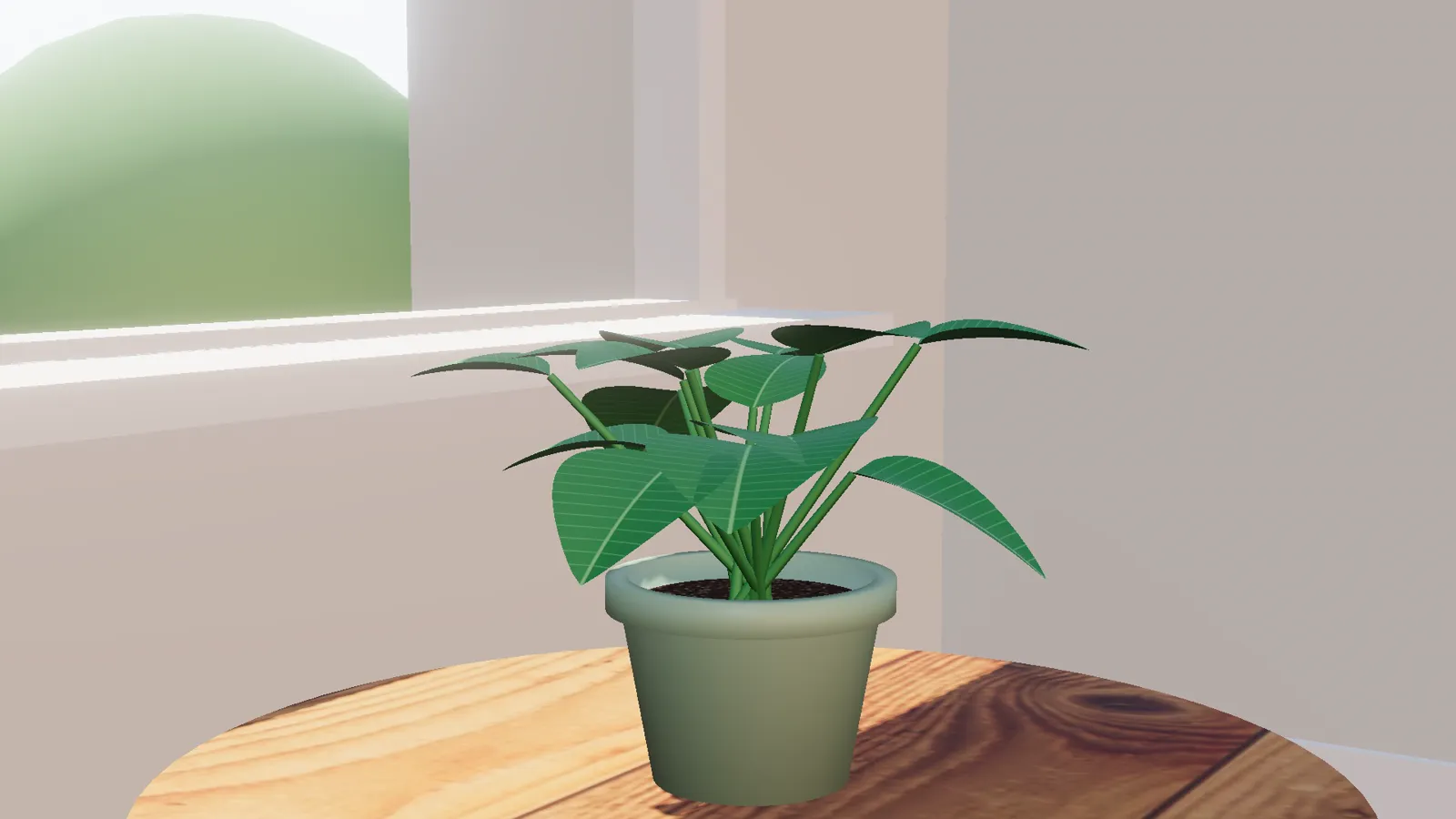
What matters most
Quick facts
| Botanical name | Philodendron hederaceum[4][5] |
|---|---|
| Light | Grows best in: bright indirect light, medium light. Grows in: bright indirect light, medium light, low light. Does well near a north, east or west window and tolerates very low light.[1][4] |
| Watering | Evenly moist, never soggy, never standing in water.[1][4] |
| Cats and dogs | Toxic[5][6] |
| Humidity | High humidity is ideal, but it tolerates the low humidity of most homes.[1][2] |
| Temperature | 70 to 85°F (21 to 29°C) by day and 65 to 75°F (18 to 24°C) at night. Below 50°F (10°C) is too cool.[1][3] |
| Potting mix | A lightweight, well-drained mix, so the roots never get waterlogged.[3] |
| Feeding | Every 3 to 4 months.[3] |
Check your own plant. Both tools open with this plant already picked.
What makes heartleaf philodendron different
- Trailer or climber, your choice. It climbs or trails if given support.[2] Grow it in a hanging basket, or train it up a bark- or moss-covered board or pole.[1]
- Leaves grow bigger on a support. Climbing up trees outdoors, its leaves can reach 12 inches (30 cm) or more. Indoors, leaf size depends on the support, training and pruning.[3]
- Bronze new leaves. New leaves come out bronze and quickly turn green.[2]
- How to tell it from pothos. Look for conspicuous stipules on new growth and smooth, ungrooved leaf stalks.[2]
- Named after ivy. The species name hederaceum means ivy-like, after its climbing, leafy habit.[2]
- Cool shade brings out the pattern. The variegated form 'Variegatum' shows more variegation in a cool, shaded spot.[1]
Common heartleaf philodendron problems
- Yellow leaves: too much water or too little light.[3]
- Brown, curled leaf tips: too much fertilizer.[3]
- Root rot: from overly wet soil.[2]
- Pests: no serious ones, but watch for aphids, spider mites, mealybugs and scale.[2]
Repotting and propagation
Repot an overcrowded plant at any time of year, using a general-purpose potting soil.[1]
Propagate by planting short stem cuttings in clean potting mix; it is very easy to start new plants this way.[3] Air layering also works, in any season.[1]
Common questions
How do I make my heartleaf philodendron fuller?
When stems grow too long or reach the end of their support, cut them back. That encourages new branches to develop.
Can heartleaf philodendron grow in a dark room?
It can survive long periods in very low light and grows under ordinary room light. Bright, diffuse light is still what it enjoys most.
Why are my heartleaf philodendron's leaves turning yellow?
Too much water or too little light. Check that the soil is not staying soggy, and move the plant closer to a window if the room is dim.
Is heartleaf philodendron safe for cats and dogs?
No. The ASPCA lists heartleaf philodendron as toxic to cats and dogs.
Sources
Each numbered link on this card points to one of these pages, each opened and read on the date shown. How we check facts.
- PhilodendronClemson Cooperative Extension, Home & Garden Information Center. Checked .
- Philodendron hederaceum | North Carolina Extension Gardener Plant ToolboxNC State Extension. Checked .
- Heartleaf Philodendron (Gardening Solutions)UF/IFAS Extension. Checked .
- Easy Low-Maintenance HouseplantsIowa State University Extension and Outreach. Checked .
- Toxic and Non-Toxic Plant List: CatsASPCA. Checked .
- Toxic and Non-Toxic Plant List: DogsASPCA. Checked .